It’s important for drivers to know the difference between DUI vs vehicular crimes. These terms are often mixed up, but they fall under different parts of state traffic laws.
Understanding how the law sees these cases helps you understand why simple drunk driving is treated differently than accidents that cause harm. Learning these basics makes you a more aware and careful driver.
We’ll look at how impaired driving offenses can lead to more serious legal issues. It’s key to know that the legal consequences of DUI can get worse if certain things happen.
This guide aims to clear up the confusion in the American legal system. It’s for anyone curious about driving under the influence laws or just wants to stay safe. This guide gives you the insight you need.
Understanding the legal definitions of DUI vs vehicular crimes
There’s a big difference in the law between simple impairment and serious vehicular crimes. Driving under the influence is a serious crime, but it’s treated differently than crimes that cause harm or death. Prosecutors look at what happened behind the wheel and the results.
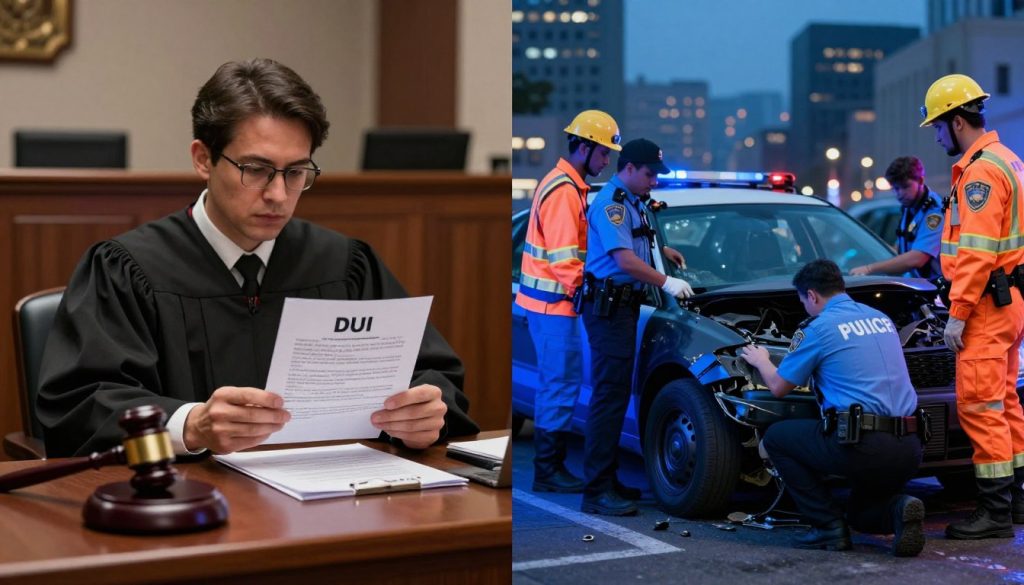
Knowing these differences helps you see why some charges are much harsher than others. It’s not just about the alcohol or drugs in your system. It’s about how your actions affect others on the road.
Distinguishing between negligence and intent
The main difference is in criminal negligence in driving. Negligence is when you don’t act as a reasonable person would, leading to an accident. On the other hand, intentional acts mean you chose to ignore safety, making a simple traffic violation a felony.
To understand these charges better, look at these categories used by law enforcement:
- Impaired driving offenses: These focus on the driver’s state, not the outcome of driving.
- Reckless driving vs DUI: Reckless driving shows a disregard for safety, while DUI is about being drunk.
- Vehicular assault laws: These apply when a driver causes serious injury through negligence or recklessness.
- Vehicular homicide definitions: These are the most severe, for when a driver’s actions cause someone’s death.
Understanding these legal boundaries is key for every driver. Knowing how the law sees your actions helps you see the seriousness of potential charges. Always remember, the law aims to hold you accountable for the harm you cause.
Key differences in legal outcomes and penalties
Driving-related charges have different consequences based on their legal classification. The court system treats simple impairment differently than incidents causing harm or death. Knowing these differences helps you prepare for what’s ahead.
Misdemeanor DUI charges usually mean fines, license suspension, and short jail time. These DUI penalties are serious but less severe than charges for injury. Cases often focus on rehabilitation and probation, not long jail sentences.
Comparing potential prison time and fines
Felony vehicular crimes have much harsher punishments. Under vehicular assault laws, serious injury can lead to long prison sentences. These sentences are much longer than for standard traffic offenses.
Vehicular manslaughter charges have the highest penalties due to loss of life. The financial and personal freedom costs are huge, with massive legal fees and permanent criminal records. The legal system focuses on the severity of the outcome when deciding your sentence, making the stakes very high for your future.
Conclusion
Understanding the difference between DUI charges and vehicular crimes is key for every driver. Knowing state traffic laws helps protect your driving future.
Your responsibility as a driver changes with each situation. A small mistake might lead to a reckless driving in California charge instead of DUI. Knowing these differences helps you see the possible outcomes in court.
Having a strong legal defense is your best shield against these serious issues. A skilled lawyer can guide you through complex laws and create a plan just for you.
Stay up to date on your rights to stay safe on the road. Being informed prepares you for any unexpected challenges you might face as a driver.