Domestic violence charges in Los Angeles County require immediate attention from an experienced criminal defense attorney. These allegations carry serious legal consequences that extend beyond the courtroom. The right legal representation can make a substantial difference in protecting your rights and your future.
California law enforcement agencies and prosecutors approach domestic violence cases with heightened scrutiny. Even first-time offenders face potential jail time, restraining orders, and lasting impacts on employment and family relationships. Understanding the defense options available becomes essential when confronting these charges.
Domestic Violence Charges in California
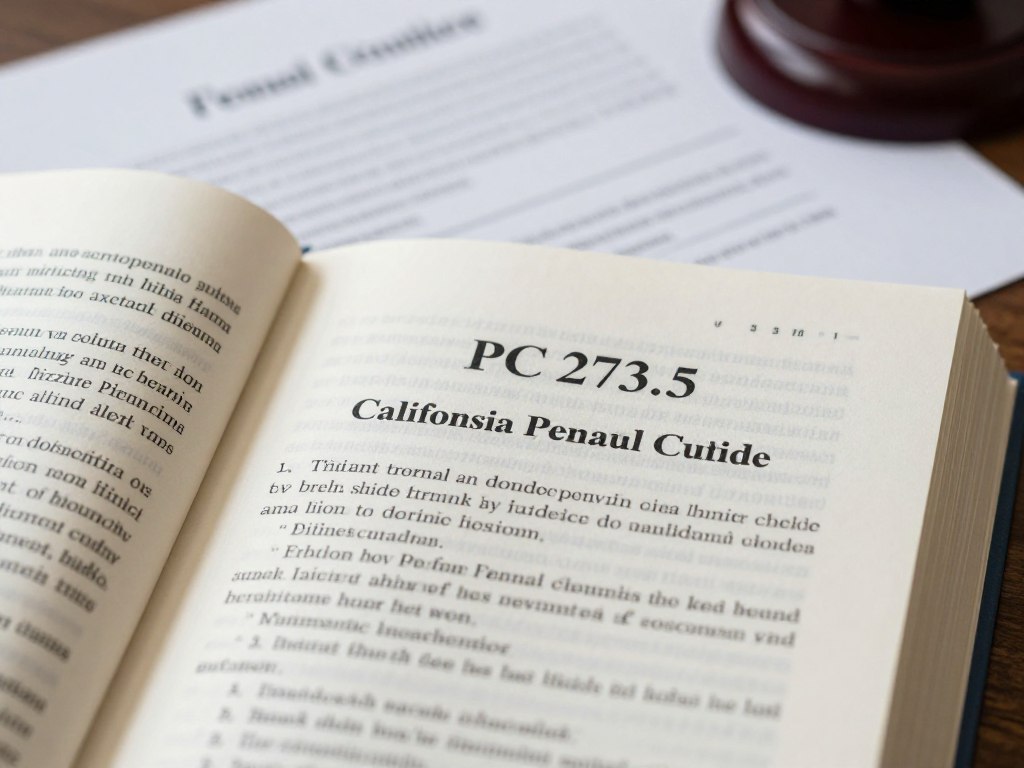
California Penal Code addresses domestic violence through multiple statutes that criminalize harmful or threatening behavior between individuals in specific relationships. These charges commonly involve spouses, former spouses, cohabitants, dating partners, or parents of shared children. The most frequently prosecuted offense falls under Penal Code Section 273.5, which addresses corporal injury to a spouse or cohabitant. This law applies when physical force results in a traumatic condition, regardless of severity. Prosecutors in Los Angeles pursue these cases aggressively, often moving forward even when alleged victims express reluctance to press charges.
The classification of domestic violence charges varies based on circumstances and injury severity. Misdemeanor convictions can result in up to one year in county jail, while felony convictions carry potential state prison sentences. California courts impose mandatory domestic violence counseling programs, substantial fines, and probation conditions that restrict personal freedoms. Law enforcement officers possess broad authority to make arrests in domestic violence situations, often based solely on visible marks or witness statements. This aggressive enforcement approach means charges can proceed even without cooperation from the alleged victim.

Defense attorneys in Los Angeles encounter various domestic violence allegations ranging from minor physical altercations to serious felony assault charges. Each case presents unique factual circumstances that require thorough investigation and strategic legal analysis. The prosecution bears the burden of proving guilt beyond a reasonable doubt, creating opportunities for skilled defense counsel to challenge the evidence presented. Many domestic violence cases in Los Angeles involve conflicting accounts of events, disputed injuries, and complex relationship dynamics that affect case outcomes.
Defense Considerations in Domestic Violence Cases
Evidentiary issues form the foundation of effective domestic violence defense strategy in California courts. Physical evidence often proves ambiguous or subject to multiple interpretations. Photographs of alleged injuries may not clearly establish how those injuries occurred or who inflicted them. Medical records frequently contain subjective patient statements rather than objective medical findings. Defense attorneys examine these evidence sources critically, identifying weaknesses that create reasonable doubt. Los Angeles prosecutors rely heavily on witness testimony, which can be inconsistent, biased, or unreliable under cross-examination.

Credibility assessments play a central role in domestic violence trials throughout Los Angeles County. Judges and juries must evaluate conflicting accounts from alleged victims and defendants. Prior inconsistent statements, motivations to fabricate allegations, and relationship history all factor into these credibility determinations. False accusations occur in domestic violence cases, particularly during custody disputes or contentious separations. Defense attorneys investigate thoroughly to uncover evidence of fabrication, exaggeration, or misrepresentation. The constitutional right to confront witnesses allows defense counsel to expose inconsistencies and ulterior motives through effective cross-examination.


Self-defense represents a complete legal defense to domestic violence charges under California law. When a person reasonably believes they face imminent harm, the law permits reasonable force to prevent that harm. Defense attorneys present evidence demonstrating the defendant acted to protect themselves rather than as an aggressor. Accident also provides a valid defense when injuries resulted from unintentional actions rather than deliberate violence. California courts recognize that not all physical contact in relationships constitutes criminal domestic violence. The defense strategy depends on careful analysis of available evidence, witness statements, and the specific facts surrounding the alleged incident.
Protective Orders and Collateral Consequences
Restraining orders frequently accompany domestic violence charges in Los Angeles County, creating immediate restrictions on personal freedom. Emergency protective orders can be issued by law enforcement at the scene of an arrest, prohibiting contact with alleged victims for several days. Courts routinely issue temporary restraining orders during criminal proceedings that can last months or years. These orders typically prevent all contact, direct or indirect, with the protected person. Violations of protective orders constitute separate criminal offenses carrying additional penalties. Defendants may be barred from their own homes, separated from their children, and unable to retrieve personal belongings.

Criminal convictions for domestic violence trigger consequences extending far beyond court-imposed sentences. A domestic violence conviction creates a permanent criminal record affecting employment opportunities, professional licenses, and housing applications. Many employers conduct background checks that reveal domestic violence convictions, leading to job denials or termination. California requires disclosure of criminal convictions for numerous professional licenses, potentially ending careers in healthcare, education, finance, and other regulated fields. Immigration consequences prove particularly severe, as domestic violence convictions can result in deportation or inadmissibility for non-citizens.


Family law implications of domestic violence charges significantly impact child custody and visitation rights in California. Courts presume that awarding custody to a parent convicted of domestic violence within the previous five years is detrimental to the child’s best interests. This presumption can be overcome only through clear and convincing evidence, creating substantial obstacles for parents seeking custody. Supervised visitation may be required, limiting meaningful parent-child relationships. Firearm ownership rights are permanently revoked following domestic violence convictions under both California and federal law. These collateral consequences often prove more devastating than the direct criminal penalties, making effective legal defense absolutely essential.
Importance of Early Legal Representation
Time represents a critical factor in building an effective domestic violence defense in Los Angeles. Evidence deteriorates, witnesses become unavailable, and memories fade as cases progress. Early attorney involvement allows immediate investigation while evidence remains fresh and accessible. Defense attorneys can locate and interview witnesses, photograph crime scenes, and preserve physical evidence before it disappears. Prompt legal representation also protects constitutional rights during law enforcement interactions. Police questioning of domestic violence suspects often occurs without proper Miranda warnings or in coercive circumstances. An attorney ensures that statements to law enforcement do not undermine the defense case.

Strategic advantages multiply when defense counsel engages at the earliest possible stage. Prosecutors in Los Angeles make charging decisions based on available evidence at case filing. Defense attorneys can present exculpatory evidence to prosecutors before charges are filed, potentially preventing prosecution altogether. When charges cannot be avoided, early legal representation positions the defense to negotiate favorable outcomes. Experienced attorneys maintain relationships with prosecutors and understand local court procedures, creating opportunities for beneficial plea agreements or alternative sentencing options. The defense strategy developed in a case’s early stages guides all subsequent decisions and significantly influences final outcomes.



The stakes in domestic violence cases demand experienced legal counsel familiar with Los Angeles County courts and prosecutors. Generic criminal defense experience does not substitute for specific knowledge of domestic violence law, local court procedures, and effective defense strategies. Attorneys who regularly handle domestic violence cases understand the nuances of California statutes, evidentiary rules, and sentencing alternatives. They recognize patterns in prosecution approaches and know how to counter common tactics. This specialized knowledge directly impacts case outcomes, making the choice of attorney one of the most important decisions a defendant will make.
Individuals facing domestic violence allegations in Los Angeles County should contact experienced legal counsel immediately to protect their rights and begin building a comprehensive defense strategy. The consequences of these charges extend well beyond the criminal justice system, affecting family relationships, employment prospects, and fundamental personal freedoms. Prompt action by qualified defense attorneys provides the best opportunity to achieve favorable outcomes in these serious cases. Legal representation should be secured before making any statements to law enforcement or appearing in court.