Warrants issued in Los Angeles County courts require immediate legal attention. A bench warrant can lead to arrest during routine traffic stops, at airports, or at your workplace. These situations create serious consequences that extend beyond the courtroom.
Addressing a warrant promptly through qualified legal representation protects your freedom and employment. An experienced warrant recall attorney can appear in court on your behalf and work toward resolution without unnecessary custody time. The process demands precise knowledge of Los Angeles County court procedures.
Bench Warrants and Failure to Appear
Courts in Los Angeles issue bench warrants when individuals fail to appear for scheduled hearings. This commonly occurs with traffic cases, misdemeanor matters, and criminal proceedings. The judge orders the warrant immediately upon noting the absence from court.
Once a bench warrant is issued, it remains active in law enforcement databases. Police officers can execute the warrant during any contact, including routine traffic stops. The warrant authorizes immediate arrest and booking into county jail. Many people discover outstanding warrants only when stopped by police or during background checks for employment.
Bench warrant cases in Los Angeles criminal courts require specific procedures for recall. Defense attorneys file motions requesting the court to quash or recall the warrant. The attorney appears before the judge to explain the circumstances and request relief. Courts consider factors such as the reason for missing court and the defendant’s criminal history.
Domestic violence cases and DUI matters often involve bench warrants when defendants miss court dates. These cases carry heightened consequences due to their serious nature. Judges evaluate each situation individually when considering whether to recall a warrant. Prompt legal action demonstrates responsibility and improves outcomes.
Probation Violations and Outstanding Warrants
Probation violation warrants arise when individuals fail to comply with court-ordered terms. Common violations include missing check-ins with probation officers, failing drug tests, or committing new crimes. The probation department reports violations to the court. A judge then issues a warrant for the person’s arrest.
These warrants carry significant custody risks. Unlike some bench warrants, probation violation warrants often result in bail being set higher or denied entirely. The court may order the person held without bail pending a probation violation hearing. This makes immediate legal representation essential for protecting freedom.
Court procedures for probation violation cases in Los Angeles differ from standard criminal cases. The burden of proof is lower than in criminal trials. Prosecutors need only show a violation by a preponderance of evidence rather than beyond reasonable doubt. An attorney can contest the alleged violation and present mitigating circumstances to the judge.
Long Beach and Van Nuys courts handle numerous probation violation cases annually. Each courthouse maintains specific local procedures. Experienced defense attorneys familiar with these courts understand how different judges approach violation cases. This knowledge proves valuable when seeking warrant recall and favorable disposition.
Procedure for Recalling a Warrant
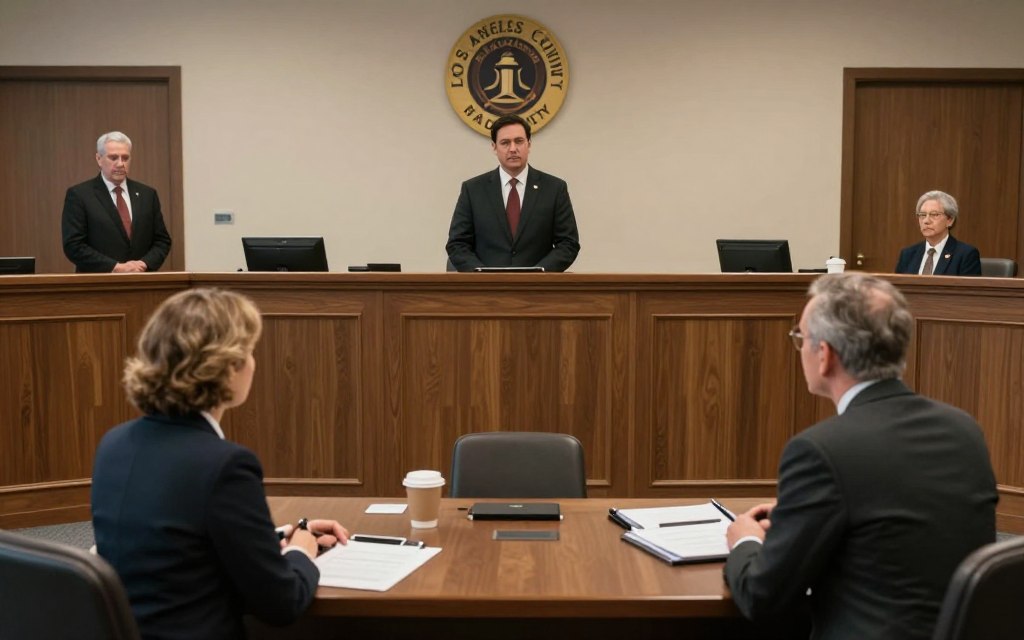
The warrant recall process begins with an attorney filing appropriate motions with the court. The criminal defense attorney contacts the court clerk to schedule a hearing date. In many cases, the attorney can appear without the client being present initially. This approach allows resolution discussions before the client must appear in court.
During the hearing, the attorney presents arguments for why the court should recall the bench warrant. Factors presented may include the reason for the missed court date, steps taken to address the situation, and the client’s ties to the community. The judge evaluates these factors when deciding whether to grant the motion.
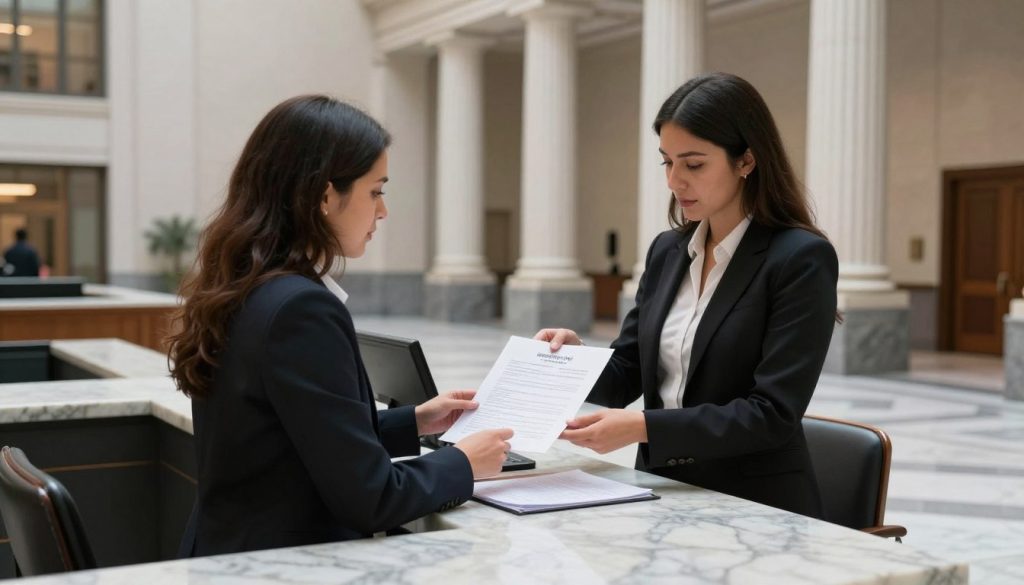
Successful warrant recall often involves negotiating a new court date and addressing the underlying case. The attorney works to resolve the original matter that led to the warrant. This may include negotiating plea agreements in criminal cases or arranging payment plans for fines. The goal is comprehensive resolution that prevents future warrant issues.
Some cases allow for warrant recall and case resolution simultaneously. The attorney appears in court, the judge recalls the warrant, and the parties proceed directly to resolving the criminal case. This efficient approach minimizes court appearances and provides certainty. It requires careful preparation and knowledge of how different Los Angeles criminal courts operate.
Importance of Addressing Warrants Promptly
Outstanding warrants create escalating legal and practical problems over time. An active warrant means potential arrest at any moment during contact with police. This includes traffic stops, security checkpoints at airports, or even routine interactions. Arrest on a warrant often results in booking into county jail and waiting for the next available court date, which can take several days. Employment background checks reveal active warrants, jeopardizing current jobs and preventing new employment opportunities. Professional licenses may face suspension or revocation when warrant issues remain unresolved. Family law cases, including custody matters, are negatively impacted by outstanding warrant records. The longer a warrant remains active, the more complex resolution becomes and the less favorable judges view the situation.
Resolving warrant matters requires knowledge of Los Angeles County court procedures and relationships with prosecutors. Qualified legal representation provides the best opportunity for favorable outcomes. Contact our office to discuss your warrant situation and available options for resolution.